Use code WELCOME10 for 10% off· Free shipping over $300
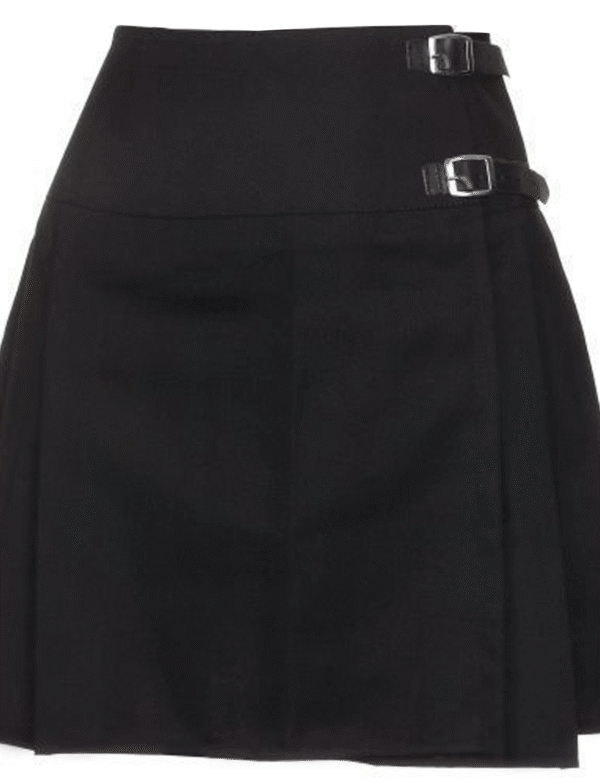
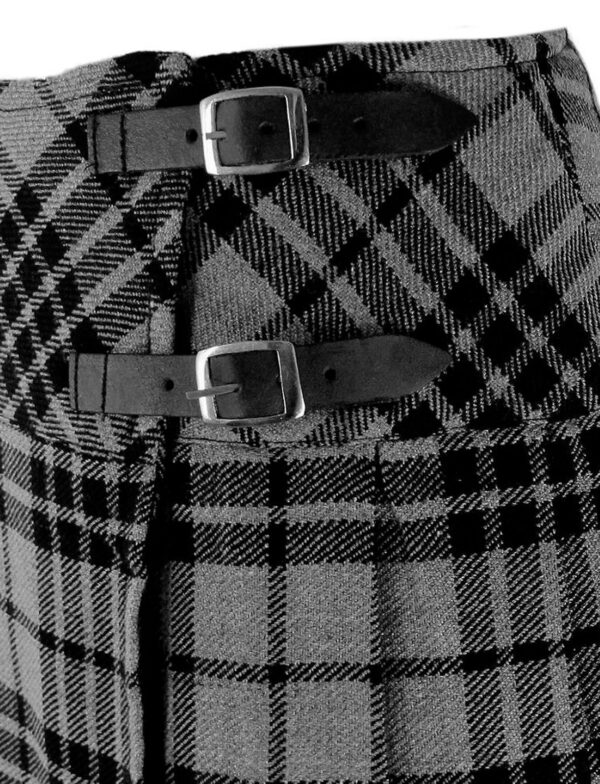
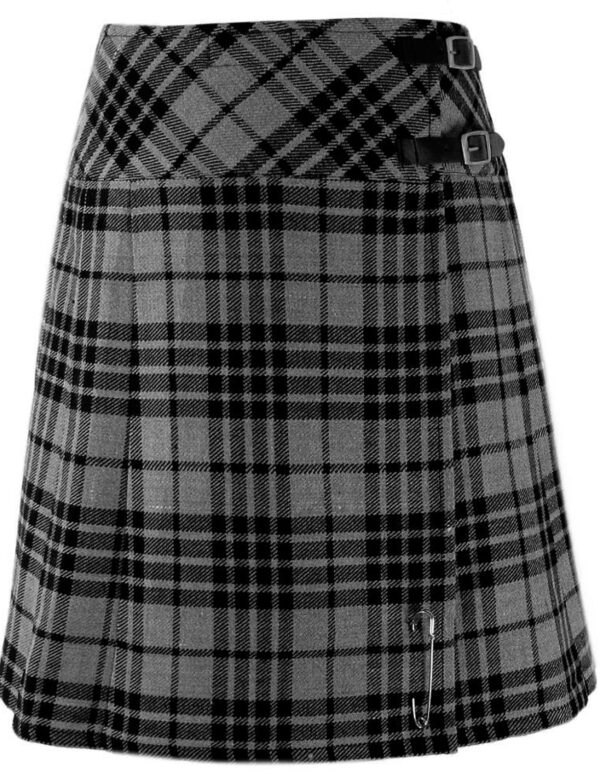
About our billie kilts
Billie kilts in the Scottish Highland dance tradition, hand-made since 2017
Kilt and Jacks has been making billie kilts by hand since 2017. Every billie kilt we ship — whether for a Highland dance competitor at the Royal Scottish Official Board of Highland Dancing (SOBHD) grades, a Scottish country dance practitioner, a ceilidh dancer wanting the traditional women's Scottish kilt, or a buyer exploring Scottish heritage through the billie kilt tradition — is drafted from six measurements you send us: waist, hips, kilt length (traditionally 22-24 inches for billie kilts), hip drop, thigh, and any specific fit notes. Cut and stitched by hand at our workshop under Master Kilt Maker Rachel Bell, whose specialism is proper Scottish kilt construction across the women's and men's ranges, with the specific pleating and construction that Highland dance movement and Scottish tradition require.
What defines the billie kilt
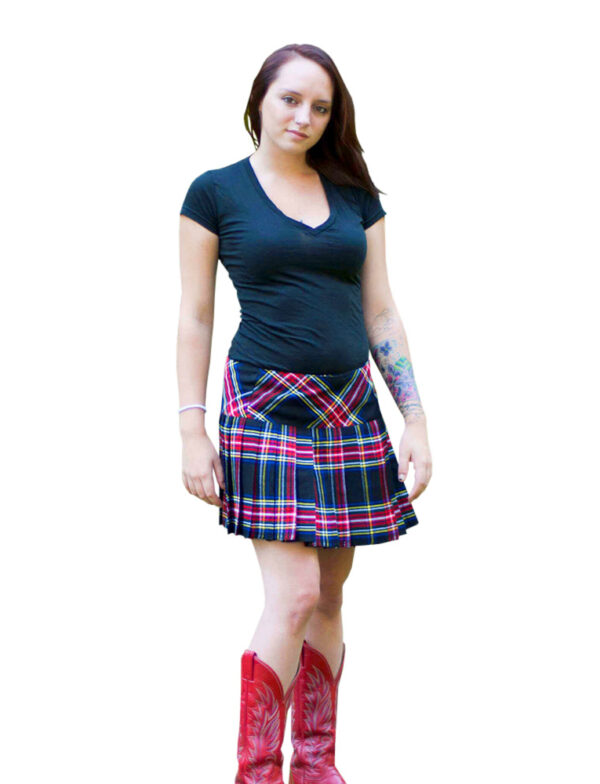
The billie kilt is a distinct garment in the Scottish women's kilt tradition — shorter than the traditional knee-length women's kilt but longer than the modern fashion mini kilt, cut specifically to allow the freedom of movement that Highland dance requires while maintaining proper Scottish kilt construction throughout. The tradition of the billie kilt dates to Highland dance competition and practice contexts of the 19th and 20th centuries, when female Highland dancers needed a kilt that would move properly through the specific choreography of Scottish Highland dances (the Highland Fling, the Sword Dance, the Sean Truibhas, the Reel of Tulloch) without being either impractically long or improperly short.
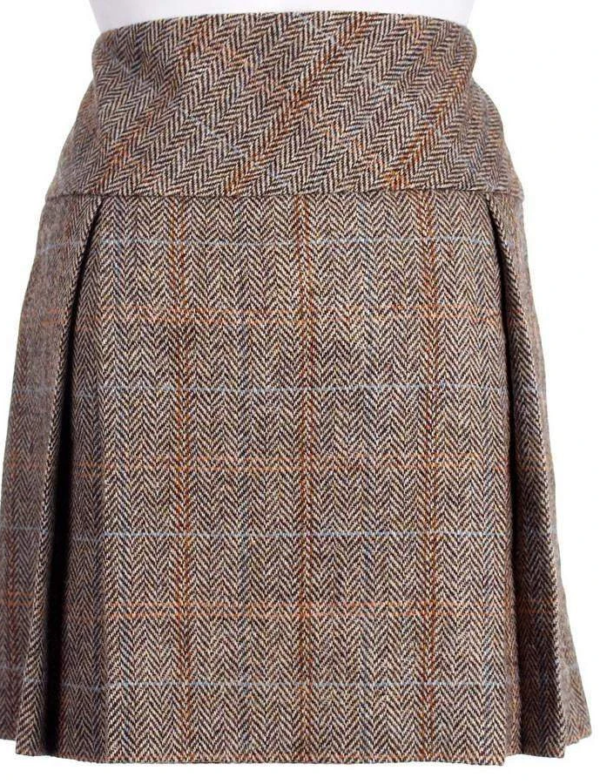
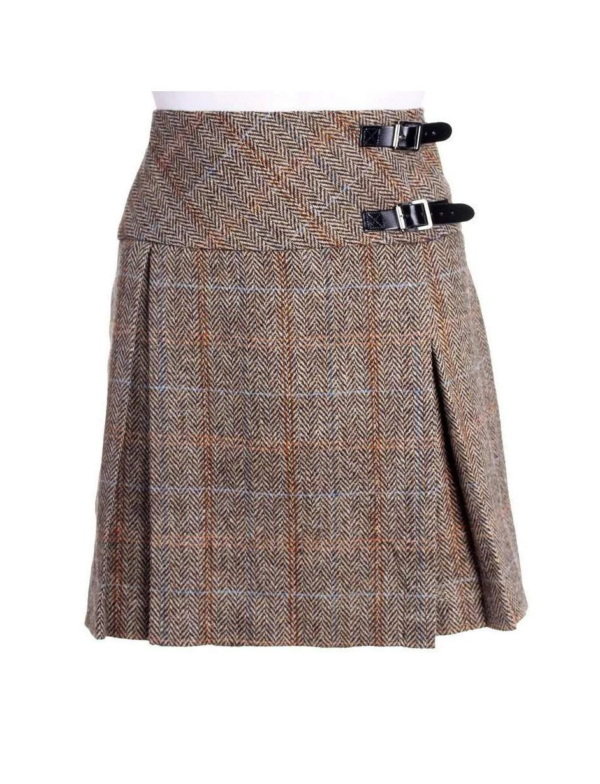
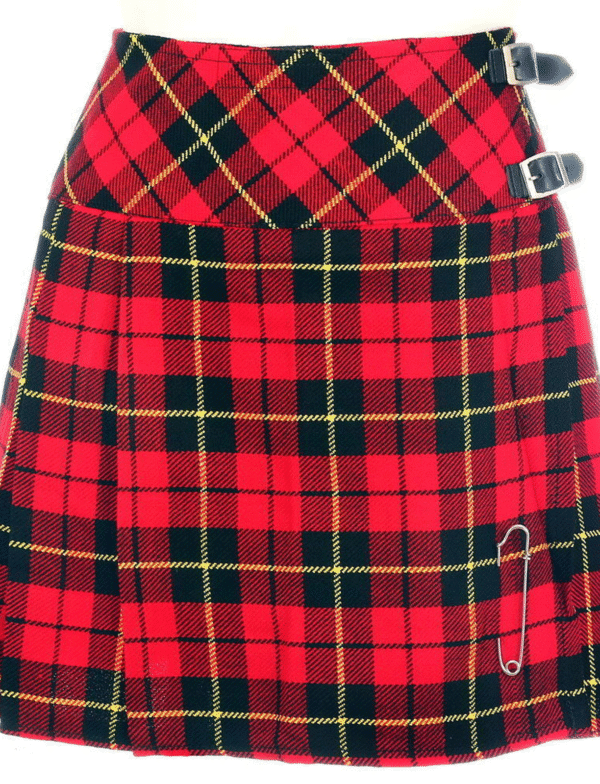
Modern billie kilts sit typically at 22 to 24 inches in length, measured from waistband to hem at the front — long enough to read as a proper Scottish women's kilt in tradition, short enough to allow full range of movement for Highland dance. The construction is proper Scottish kilt tailoring: eight yards of tartan wool where the specification calls for it, hand-pleated at the back with the specific pleat depth and count that suits Highland dance movement, leather straps and buckles at the waist in the traditional style, and lining where the dance context requires it for comfort during extended wear.
Beyond Highland dance, billie kilts are worn increasingly at Scottish festivals, ceilidhs, Scottish heritage events, and Scottish country dancing contexts — anywhere the traditional Scottish women's kilt reads appropriate but the full knee-length kilt is impractical for movement or the specific event context. The billie kilt tradition is genuine Scottish heritage; wearing one respects that tradition properly.
Billie kilts and Highland dance specifically
For Highland dance competitors and practitioners, billie kilts have specific requirements that distinguish them from general Scottish tradition or fashion kilts. The Highland Dance Competition kilt (also called the Aboyne dress in its most formal configuration) is worn with specific accessories — a Jacobite ghillie shirt or laced velvet bodice in the appropriate colour for the dance grade, proper Highland dance shoes (ghillies), and often a plaid arisaid or sash. The tartan choice for competition kilts is typically the dancer's clan tartan if they have Scottish family heritage, or a universal tartan (Black Watch, MacGregor, Royal Stewart) if they don't.
The Royal Scottish Official Board of Highland Dancing (SOBHD) sets standards for what competition dress looks like at different grades, and while billie kilts and Aboyne dresses have flexibility within those standards, the kilt itself needs to be constructed for movement and proper appearance in dance context. Our billie kilts are cut with this in mind — proper pleat depth for movement, appropriate weight of tartan wool for the dance context (heavier wool for outdoor Highland games competition, lighter for indoor practice and competition), and construction that stands up to the repeated wear of dance rehearsals and competitions.
If you're buying for Highland dance specifically, message us with your dance grade, competition context (SOBHD, competition association, specific events), and any specific requirements from your dance instructor or Highland dance association and we'll cut the billie kilt to those specifications.
Tartan choice for billie kilts
Three routes to choosing a billie kilt tartan, and the right route depends on your context.
Clan or family tartan. If you have Scottish family heritage, wearing your clan or family tartan is the traditional and meaningful choice. Highland dancers with Scottish family heritage typically wear their clan tartan in competition and practice as a genuine expression of their heritage. The Scottish Register of Tartans lists registered tartans by surname and clan; if you're unsure whether your family has a registered tartan, search there first.
Universal tartan. If you don't have a specific Scottish family connection, universal tartans are open to anyone and are entirely appropriate for billie kilts. Black Watch (dark blue, green, and black) is the most versatile universal tartan — dignified, reads correctly across every Scottish context, and works particularly well for Highland dance competition. MacGregor (bright red with green and white) is a Highland dance-favoured tartan with strong visual presence. Royal Stewart (bright red — the most recognised tartan globally) is common in Highland dance practice contexts. Flower of Scotland (green and blue with a purple thread — the modern national tartan) is contemporary Scottish and open to anyone. Isle of Skye (blues and greens) is an accessible universal tartan.
Fashion tartan or dance school tartan. Some Highland dance schools have specific tartans they encourage or require for practice. Some dancers choose tartans that match their dance costume aesthetic rather than family heritage. Both are appropriate for billie kilts in modern practice, though for formal SOBHD competition contexts, clan or universal tartans are typically expected.
Not sure which tartan to choose? Message us with your context — Scottish family surname if you have one, your Highland dance school or association if applicable, and any tartans you've been considering — and we'll recommend before you commit.
How the billie kilt differs from other women's kilts we make
Compared to knee-length kilts (typically 26-30 inches) — the billie kilt is shorter and cut specifically for Highland dance movement. Knee-length kilts are the traditional formal register for Scottish weddings, formal Highland occasions, and non-dance Scottish contexts. If you want a formal Scottish women's kilt for weddings and ceremonies rather than dance, see our knee-length kilts range.
Compared to mini kilts (typically 16-20 inches) — the billie kilt is longer and constructed specifically in Scottish tradition. Mini kilts span both Scottish tradition and contemporary fashion registers, with shorter lengths that read as more fashion-forward. If you want a shorter kilt in fashion register rather than dance-specific Scottish tradition, see our mini kilts range.
Compared to utility kilts — the billie kilt is proper Scottish tradition construction; utility kilts are contemporary streetwear and alternative fashion with utility hardware. Different registers entirely. If you want a modern kilt with cargo pockets and hardware, see our utility kilts range.
Billie kilts pair naturally with our Highland wear accessories range for the full Scottish tradition outfit — kilt hose, flashes, sporrans, sgian dubhs where the outfit calls for it, and other traditional Scottish accessories. For Highland dance-specific accessories (ghillies, hair accessories, plaids), message us for recommendations.
Every billie kilt ships in ten working days, is hand-tailored at our workshop, and is guaranteed to fit the measurements you sent us. If it doesn't, we remake it at no cost. See our returns policy for full terms.
22-24 inchesTraditional billie
kilt length
kilt length
10 daysCut, tailored,
shipped
shipped
6 measurementsGuaranteed to fit
or remade free
or remade free
Highland danceCut for movement
and competition
and competition
Frequently asked
Questions before ordering
What is a billie kilt?
A billie kilt is a traditional shorter Scottish women's kilt, historically worn in Highland dance and Scottish tradition contexts. Billie kilts sit typically at 22 to 24 inches in length — longer than modern fashion mini kilts (16-20 inches) but shorter than the traditional knee-length women's Scottish kilt (26-30 inches). The billie kilt is cut specifically to allow freedom of movement for Highland dance choreography while maintaining proper Scottish kilt construction throughout — proper tartan wool pleating at the back, leather straps and buckles at the waist, and construction that meets the specific requirements of dance movement. Beyond Highland dance, billie kilts are worn at Scottish festivals, ceilidhs, and Scottish heritage events by buyers who want the traditional Scottish women's kilt register in a length appropriate to their specific context.
What's the difference between a billie kilt and an Aboyne dress?
Both are traditional Scottish women's Highland dance costume, but they're worn in different contexts. A billie kilt is the shorter Scottish kilt worn as the base garment of Highland dance costume — the kilt component itself, worn with a Jacobite ghillie shirt or fitted top. The Aboyne dress is a more formal Highland dance costume configuration that includes the billie kilt as its skirt component, worn with a laced velvet bodice, a plaid arisaid or sash, and specific accessories per Highland dance tradition. Aboyne is the more formal register — often required at higher competition grades and at specific Highland gatherings — while billie kilts alone are appropriate for practice, less formal competition contexts, and general Scottish tradition wear. If you're buying for competitive Highland dance and need the full Aboyne configuration, message us with your specific requirements and we'll advise on the complete outfit setup.
Are your billie kilts suitable for SOBHD Highland dance competition?
Yes. Our billie kilts are cut with proper Scottish construction — genuine tartan wool, hand-pleated at the back with movement-appropriate pleat depth, leather straps and buckles at the waist, and construction that meets the movement requirements of Highland dance. For SOBHD competition specifically (Scottish Official Board of Highland Dancing grades and events), tell us your dance grade and competition context when you order, and we'll cut the billie kilt to those specifications, including any specific requirements from your dance instructor or the SOBHD standards for your grade. If you're competing at higher SOBHD grades where the full Aboyne dress configuration is expected, we can also advise on the coordinating pieces (bodice, plaid, ghillies) even where we don't supply them directly.
How long should my billie kilt be?
Traditional billie kilts sit at 22 to 24 inches in length, measured from the waistband to the hem at the front. Within this range, the specific length that suits you depends on your height, your Highland dance context (if applicable), and your specific preference. Taller dancers often go 24 inches for proportional balance; shorter dancers often prefer 22-23 inches. For non-dance Scottish tradition contexts (ceilidhs, Scottish festivals, heritage events), personal preference within the 22-24 inch range is generally acceptable. If you're competing in SOBHD Highland dance, check with your dance instructor or association for any specific length requirements at your grade. All our billie kilts are made-to-measure — you specify the exact length in your measurements, and we cut to it.
Do I need Scottish family heritage to wear a billie kilt?
No. Highland dance and Scottish tradition are globally practised, and billie kilts are worn respectfully by Highland dancers and Scottish tradition practitioners of every heritage background. If you have Scottish family heritage, wearing your clan or family tartan in your billie kilt is meaningful. If you don't, universal tartans (Black Watch, MacGregor, Royal Stewart, Flower of Scotland, Caledonia) are entirely appropriate for anyone — Black Watch and MacGregor are particularly favoured in Highland dance contexts. The tradition welcomes serious practitioners regardless of family background; what matters is respecting the tradition properly — learning Highland dance correctly if that's your context, wearing the outfit appropriately for the event, and treating the tradition as the living cultural practice it is rather than as costume.
Can I wear a billie kilt to a Scottish wedding?
Depends on the wedding's specific context. For informal Scottish weddings and ceilidh receptions, billie kilts can be appropriate for female guests, particularly for younger buyers or where the wedding is contemporary Scottish rather than strictly traditional. For formal Scottish weddings and Highland formal register weddings, billie kilts read as too short — the traditional knee-length women's kilt or full Highland Dress outfit is the more appropriate register. If you're attending a Scottish wedding as a guest and want to wear a Scottish women's kilt, our knee-length kilts range is likely the better register. If you're specifically part of the wedding party (bride, bridesmaid, mother of the bride), the register may be even more formal — coming soon: our full Women's Kilt Outfits range for Full Highland Dress. Message us with your specific wedding context and we'll advise.
How do I care for a billie kilt?
Billie kilts require the same care as any traditional Scottish tartan wool kilt. Dry clean only for the tartan wool (do not machine wash or hand wash — the pleating and lining will not survive water washing). Hang on a proper kilt hanger when not in use to preserve the pleating (do not fold long-term — permanent creases will develop in the wrong places). Store in a breathable garment bag away from direct sunlight to prevent tartan fade. Address stains promptly with professional dry cleaning; spot-cleaning at home can damage the wool and set stains. For dance context, air the kilt after rehearsals and performances rather than folding immediately, and consider having a second billie kilt in rotation for regular practice to extend the life of your competition kilt. Properly cared for, a hand-tailored billie kilt lasts decades and can be passed down or resold when outgrown.
What accessories do I need with a billie kilt?
Depends on the context. For Highland dance — Highland dance shoes (ghillies), a Jacobite ghillie shirt or laced velvet bodice depending on the outfit configuration, kilt hose or coloured tights depending on the dance and grade, and any specific accessories your Highland dance association requires (plaid, sash, hair accessories). For Scottish festivals and ceilidhs — a fitted white blouse or Jacobite ghillie shirt, kilt hose or knee-high socks with flashes, ghillie brogues or comfortable low heels, and optional accessories like a small sporran or tartan sash. For Scottish heritage and cultural events — similar to festival wear, with the specific accessories depending on the event's formality register. Our Highland wear accessories range covers the traditional accessories; for Highland dance-specific items (ghillies, dance-appropriate hair accessories), message us for recommendations.